
Expert Nutritionist Guidance for Your Health
Discover the science-backed principles that hundreds of individuals across the UK have used to build lasting, healthier eating habits. Our editorial team at Nutritionist Wisdom distils complex nutritional research into practical, actionable guidance you can implement today.
5 Essential Nutrition Tips Every Person Should Know
These foundational principles form the cornerstone of sustainable, evidence-based nutrition guidance. Each tip is grounded in peer-reviewed research and tailored to the UK food landscape.
Build Balanced Plates
A properly balanced meal contains three components: lean protein (quarter of your plate), whole grains or starchy vegetables (quarter), and colourful vegetables or fruits (half). This simple visual framework helps you maintain consistent portion control without counting calories.
Prioritise Hydration
Most adults require 6–8 glasses of water daily, adjusted for activity level and climate. Proper hydration supports digestion, nutrient absorption, cognitive function, and sustained energy throughout the day. Start your morning with a glass of water before breakfast.
Embrace Whole Foods
Choose foods in their minimal-processing form: fresh fruits, vegetables, legumes, nuts, whole grains, and lean proteins. Whole foods contain natural fibre, vitamins, and minerals that processed alternatives often lack, providing superior satiety and nutrition per calorie.
Practice Mindful Eating
Eat without distraction, chew thoroughly, and notice hunger and fullness cues. Mindful eating slows consumption, allowing your brain's satiety signals adequate time to register. This ancient practice reshapes your relationship with food and prevents overeating.
Track Progress Regularly
Monitor energy levels, sleep quality, digestion, and how clothing fits as key markers of nutritional progress. Keep a simple food journal for two weeks to identify patterns and triggers. Numbers on the scale tell only part of the story.
Plan for Consistency
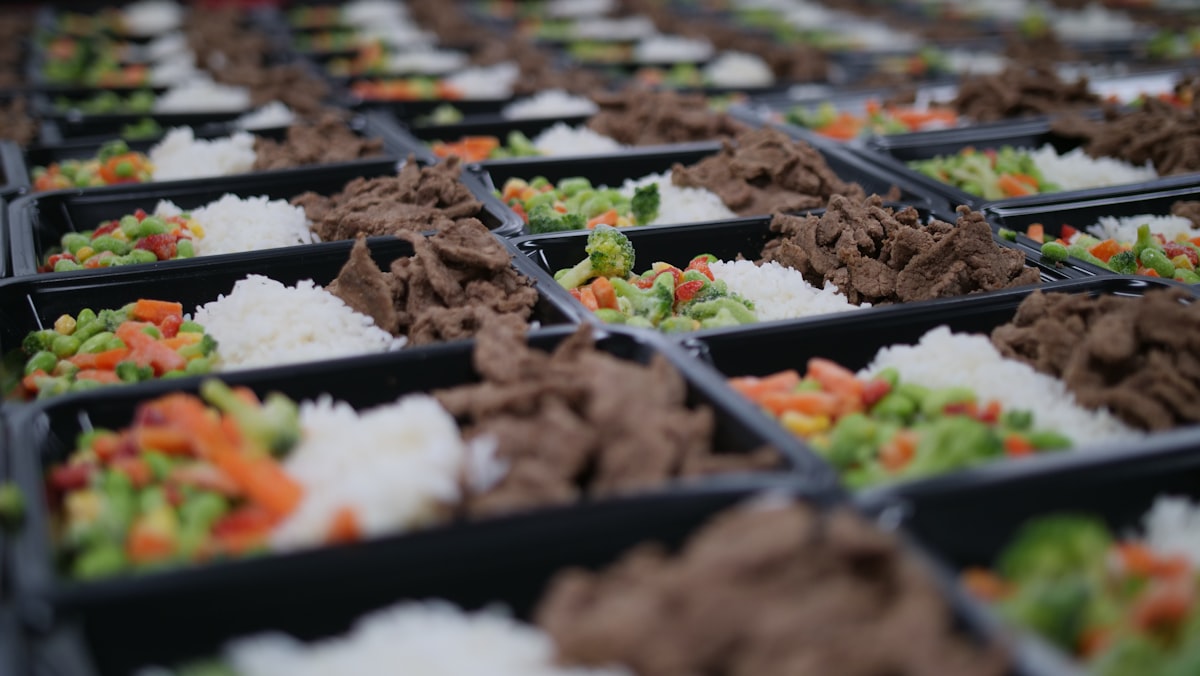
Meal prep one day per week, maintain a simple grocery list template, and keep healthy staples stocked. Consistency beats perfection. Small, repeatable actions compound over weeks and months, building sustainable habits that last a lifetime.
The Plate Principle: Building Balanced Meals

Simple Visual Framework for Every Meal
The plate principle removes the guesswork from meal composition. Divide your plate into four sections: proteins, whole grains, vegetables, and a small healthy fat portion. This visual approach works across cuisines and accommodates individual preferences.
-
Protein (¼ plate)
Lean meats, fish, eggs, legumes, tofu, or dairy. Protein promotes satiety and supports muscle maintenance throughout the day.
-
Whole Grains (¼ plate)
Brown rice, oats, wholemeal bread, quinoa, or barley. These provide sustained energy and essential fibre for digestive health.
-
Vegetables & Fruits (½ plate)
Fill half your plate with colourful, seasonal produce. Each colour offers different micronutrients: orange for beta-carotene, dark green for iron, red for lycopene.
-
Healthy Fats (small portion)
Olive oil, nuts, seeds, or avocado. These support nutrient absorption and hormonal balance. A thumb-sized portion suffices.
"This framework adapts to every culture and budget. Whether you're meal planning for a family or eating solo, the plate principle ensures nutritional completeness without complicated calculations."
Your 4-Week Nutrition Reset: Step by Step
Week 1: Assess & Observe
Keep a food and energy journal for seven days without changing anything. Notice patterns: when you eat, how you feel after each meal, hunger triggers, and emotional eating patterns. This baseline data informs personalised adjustments.
Week 2: Hydration & Basics
Increase water intake to 8 glasses daily. Introduce one new whole food daily: a vegetable you haven't tried recently or a new grain. Reduce sugary drinks and replace them with herbal tea or water with lemon.
Week 3: Meal Structure
Build three meals daily using the plate principle. Prep five days of lunches on Sunday. Establish consistent breakfast and dinner times. Introduce snacks: Greek yoghurt, nuts, fruit, or cheese. Create structure without rigidity.
Week 4: Refine & Sustain
Review your journal. Identify which changes improved your energy and well-being most. Build these into permanent habits. Plan your next month's meal template. Celebrate progress and adjust expectations based on real feedback.
What Makes Our Nutritional Approach Different
| Aspect | Traditional Dieting | Nutritionist Wisdom Approach |
|---|---|---|
| Focus | Restriction and calorie counting | Abundance of whole foods and nourishment |
| Duration | Short-term (weeks or months) | Lifelong sustainable habits |
| Flexibility | Rigid meal plans and rules | Adaptable to culture, budget, and preferences |
| Social Life | Often excludes social eating | Integrates with family and social events |
| Success Metrics | Weight loss only | Energy, digestion, sleep, mood, and overall vitality |
| Foundation | Marketing and quick-fix promises | Evidence-based nutrition science and lived experience |
Our approach recognises that lasting change emerges from understanding your unique body, building skills, and creating structures that support rather than punish. This is nutrition education, not diet dogma.
Common Questions About Healthy Eating
Can I eat carbohydrates if I want to maintain a healthy weight?
Absolutely. Carbohydrates, particularly whole grains and starchy vegetables, are an essential energy source and provide fibre, B vitamins, and minerals. The quality matters: choose wholemeal bread, brown rice, oats, and legumes over refined white carbohydrates. Portion control and balance are more important than elimination.
How much protein should I consume daily?
A general guideline is 0.8–1.0 grams per kilogram of body weight for most adults. However, active individuals, older adults, and those building muscle may require 1.2–2.0 grams per kilogram. Good sources include lean meats, fish, eggs, legumes, yoghurt, and nuts. Distribute protein across meals for optimal muscle protein synthesis.
Is it necessary to cut out entire food groups?
No. Elimination is rarely necessary unless you have a diagnosed allergy or intolerance. Instead, focus on variety and quality. Include vegetables, whole grains, proteins, fruits, nuts, and healthy fats. Food restriction often backfires, creating cravings and unsustainable practices. Balance is achievable without deprivation.
What should I eat before and after exercise?
Before exercise (30–60 minutes prior): a light snack combining carbohydrates and protein—banana with almond butter, toast with eggs, or Greek yoghurt with granola. After exercise (within 30–90 minutes): protein plus carbohydrates to replenish glycogen and repair muscle tissue. A turkey sandwich or grilled chicken with rice works well.
How can I manage cravings for sugary or processed foods?
Cravings often signal dehydration, inadequate sleep, or insufficient nutrient intake. Drink water first, then pause five minutes. If the craving persists, eat a small portion mindfully rather than resisting completely. Include naturally sweet foods (berries, dates) and address root causes like stress or sleep quality. Permission to enjoy treats occasionally reduces the psychological restriction that intensifies cravings.
Does meal timing matter for overall health?
Consistency in meal timing supports digestion and energy stability, but flexibility is also important. Eat breakfast within two hours of waking to stabilise blood sugar. Space meals 4–5 hours apart. Avoid heavy meals right before bed. However, individual circadian rhythms vary—some people thrive with three meals, others with five smaller ones. Listen to your hunger signals and adapt accordingly.
Meal Prep Ideas & Visual Inspiration

Buddha Bowl: Quinoa & Roasted Vegetables
Complete protein, colourful seasonal produce, healthy fats. Prepare five portions Sunday evening.

Overnight Oats: Grab & Go Breakfast
Prepare five jars Monday for the entire week. Mix oats, yoghurt, berries, and honey the night before.

Rich in omega-3 fatty acids and antioxidants

Antioxidant Smoothie Bowl
Packed with vitamins and probiotics for gut health
What Our Clients Say
Real stories from real people who transformed their health with personalized nutrition guidance
"Sarah transformed my relationship with food. I lost significant weight and finally understand nutrition instead of following fad diets. Her personalized approach changed my life."
Jennifer Martinez
Software Engineer
"My energy levels have never been better. The meal plans are realistic and delicious. Sarah's expertise in sports nutrition helped me crush my athletic goals."
Marcus Chen
Competitive Athlete
"Finally, someone who listens! Sarah didn't push restrictive diets. Instead, she helped me make sustainable choices that fit my busy lifestyle. Highly recommend!"
Rachel Powell
Marketing Director
Frequently Asked Questions
Find answers to common questions about nutrition and our services
How do I know if personalized nutrition is right for me?
Personalized nutrition works for everyone—whether you're managing a health condition, improving athletic performance, or simply wanting to feel healthier. A consultation with Sarah will help determine the best approach for your unique situation and goals.
What's included in a nutrition consultation?
Each consultation includes a detailed assessment of your health history, lifestyle, dietary preferences, and goals. You'll receive personalized meal plans, nutrition education, recipes, and ongoing support to help you achieve sustainable results.
Do you offer virtual consultations?
Yes! We offer both in-person and virtual consultations via video call. Virtual sessions are convenient and just as effective, allowing you to receive expert guidance from the comfort of your home.
How long does it take to see results?
Results vary based on your goals and commitment. Many clients notice improved energy and digestion within 2-3 weeks. Weight loss and other health improvements typically become noticeable within 4-8 weeks of following a personalized plan.
Do you work with specific dietary restrictions or allergies?
Absolutely! Whether you follow a vegan, gluten-free, keto, Mediterranean, or any other diet, or have food allergies, I specialize in creating customized plans that work within your constraints while ensuring optimal nutrition.